
How Digital Marketing Is Transforming Modern Businesses in 2026
Digital marketing has become one of the most powerful drivers of business growth in the modern era, fundamentally changing how companies attract, engage, and retain customers across industries. Unlike traditional marketing methods that rely heavily on offline channels and broad messaging, digital marketing allows businesses to reach highly targeted audiences through data-driven strategies, personalized communication, and real-time performance tracking. As consumer behavior continues to shift toward online platforms, businesses are increasingly adopting digital-first strategies to remain competitive, relevant, and accessible in a fast-evolving marketplace where attention spans are shorter and competition is higher than ever before.
The rise of digital platforms, social media networks, search engines, and mobile technologies has created an ecosystem where businesses can interact directly with their audience in ways that were not possible in the past. Companies now have the ability to understand customer preferences, analyze behavior patterns, and deliver tailored experiences that improve engagement and conversion rates. This transformation has enabled organizations of all sizes, from startups to large enterprises, to compete on a more level playing field by leveraging creativity, strategy, and technology rather than relying solely on large budgets or traditional advertising channels.
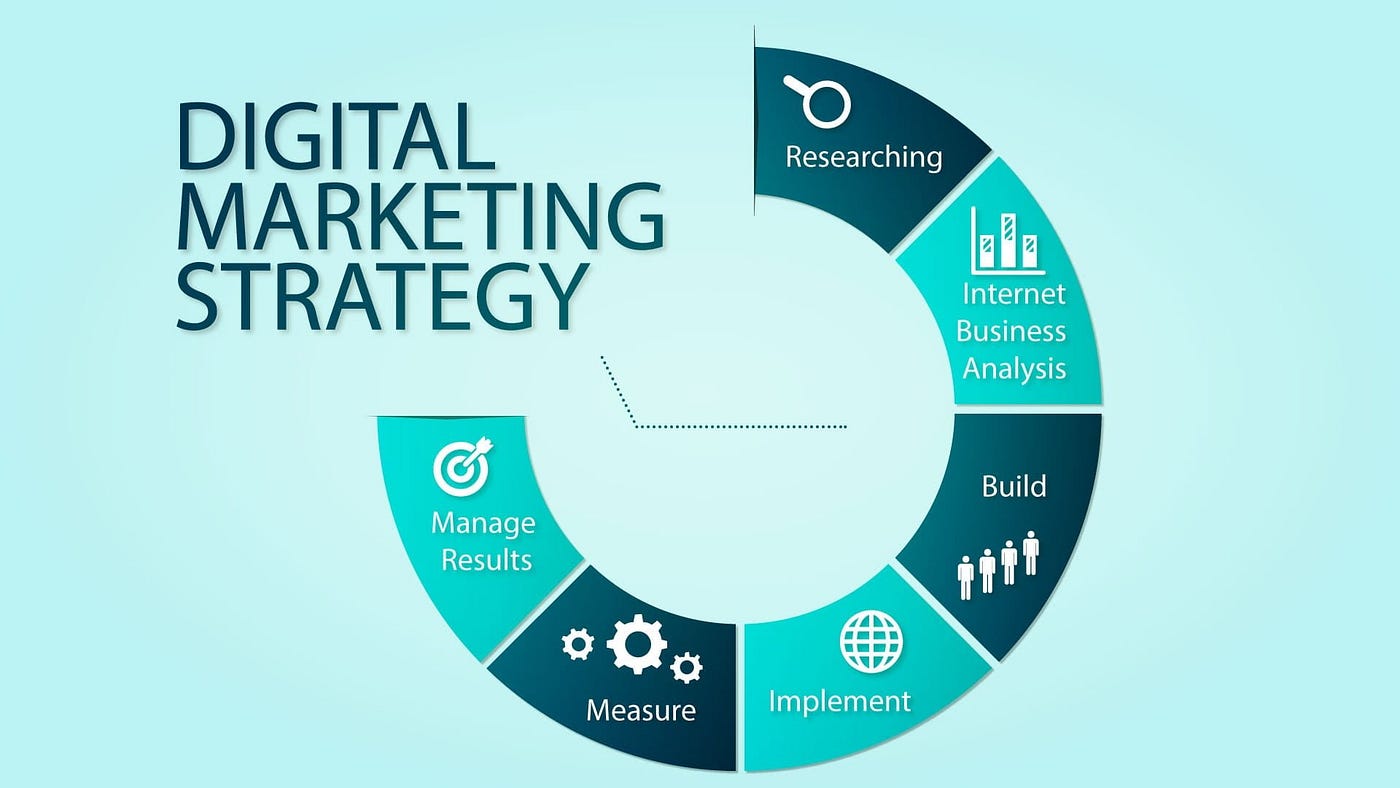
Businesses that embrace digital marketing early gain a significant advantage in visibility, customer engagement, and long-term brand growth.
Rise of Data-Driven Marketing
One of the most significant advancements in digital marketing is the shift toward data-driven decision-making, where businesses rely on analytics and performance metrics to guide every aspect of their marketing strategy. Instead of guessing what might work, companies now use real-time data from websites, social media platforms, and advertising campaigns to understand customer behavior, track engagement levels, and optimize their marketing efforts for better results. This approach allows businesses to allocate resources more efficiently, reduce wasted spending, and focus on strategies that deliver measurable impact across different stages of the customer journey.
Data-driven marketing also enables deeper personalization, allowing businesses to deliver highly relevant content and offers to specific audience segments based on their interests, demographics, and online behavior. This level of precision improves customer satisfaction, increases conversion rates, and builds stronger long-term relationships between brands and their audiences. As artificial intelligence and machine learning technologies continue to evolve, data-driven marketing is becoming even more powerful, enabling predictive insights that help businesses anticipate customer needs and make proactive decisions that drive sustainable growth.
Social Media as a Growth Engine
Social media platforms have evolved into powerful business tools that go far beyond simple communication and entertainment. Today, platforms such as Instagram, Facebook, LinkedIn, and YouTube serve as essential channels for brand building, customer engagement, and lead generation. Businesses use social media to create meaningful connections with their audience by sharing valuable content, responding to feedback, and building communities around their products or services. This direct interaction helps humanize brands and builds trust, which is essential in influencing purchasing decisions in a highly competitive digital landscape.
In addition to organic engagement, social media advertising provides businesses with advanced targeting capabilities that allow them to reach specific audiences based on interests, location, behavior, and demographics. This precision targeting significantly improves advertising efficiency and return on investment compared to traditional marketing methods. As content consumption continues to grow across social platforms, businesses that invest in consistent, high-quality social media strategies are more likely to increase brand awareness, generate qualified leads, and maintain long-term customer loyalty in an increasingly crowded digital marketplace.
Search Engine Optimization and Visibility
Search Engine Optimization (SEO) plays a critical role in helping businesses improve their online visibility and attract organic traffic from search engines like Google. By optimizing website content, improving site structure, and building high-quality backlinks, businesses can increase their chances of appearing in top search results for relevant queries. This visibility is essential because most users tend to click on websites that appear on the first page of search results, making SEO one of the most cost-effective long-term marketing strategies available today.
Beyond keyword optimization, modern SEO focuses on user experience, content quality, page speed, and mobile responsiveness, ensuring that websites not only rank well but also provide value to visitors. Search engines are becoming increasingly sophisticated, prioritizing content that is informative, relevant, and engaging. As a result, businesses must continuously update their SEO strategies to align with algorithm changes and evolving user expectations. Companies that invest in strong SEO practices benefit from consistent organic traffic, improved credibility, and long-term digital authority in their industry.
Conclusion
Digital marketing is no longer an optional strategy but a fundamental requirement for businesses aiming to succeed in today’s competitive environment. It offers unmatched opportunities for targeting, engagement, and performance measurement, allowing organizations to grow efficiently and sustainably. From data-driven marketing and social media engagement to SEO and content strategy, digital marketing provides a comprehensive ecosystem that supports every stage of the customer journey. Businesses that embrace these strategies are better positioned to adapt to market changes, connect with their audience, and achieve long-term success in the digital age.
Leave a Reply